
#TedSelfie: How a Fashion Brand Won Instagram
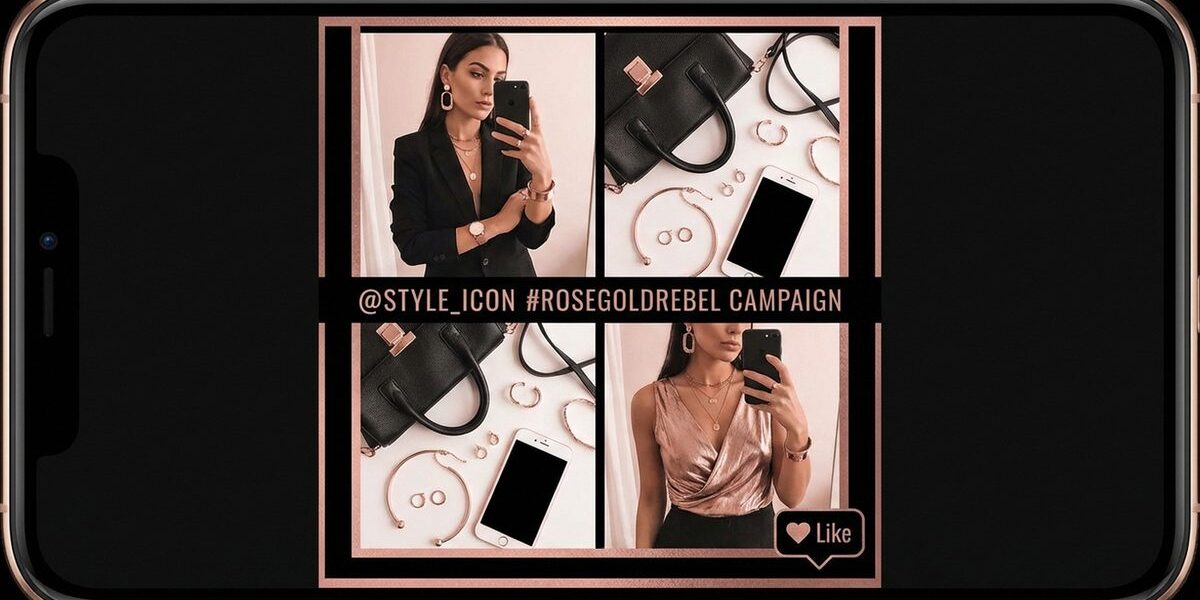
Before every fashion brand had an Instagram strategy, Ted Baker built one that actually worked. #TedSelfie turned customers into content creators and store visits into social moments — without feeling forced or cringe-worthy.
The Insight
People were already taking selfies in Ted Baker stores. The mirrors, the quirky decor, the photogenic displays — they were natural selfie backgrounds. The campaign didn’t create a behaviour; it amplified one that already existed.
The Campaign
Ted Baker installed custom selfie spots in flagship stores — not generic photo booths, but beautifully designed backdrops that matched the season’s campaign aesthetic. Each was subtly branded and designed to look great on Instagram without looking like an advertisement.
In-store staff were trained to encourage participation naturally. The hashtag #TedSelfie was promoted through window displays, shopping bags, and receipts. A curated feed of the best submissions appeared on the website and on screens in-store, creating a virtuous cycle of participation.
Digital Execution
The real sophistication was in the digital layer. User-generated content was moderated, curated, and repurposed across Ted Baker’s owned channels. The best images were featured in email campaigns, on the website, and in paid social — always with credit, always with permission.
Numbers
The campaign generated tens of thousands of tagged posts. Store visits during the campaign period increased measurably, with participating stores outperforming non-participating locations. The cost-per-engagement was a fraction of conventional fashion advertising.
Why It Lasted
#TedSelfie ran across multiple seasons because it was built on authentic behaviour rather than a gimmick. The concept evolved — new backdrops, new themes, new seasonal tie-ins — but the core mechanic remained effective because people genuinely enjoyed participating.