
How EE Built a Social Hub That Actually Worked
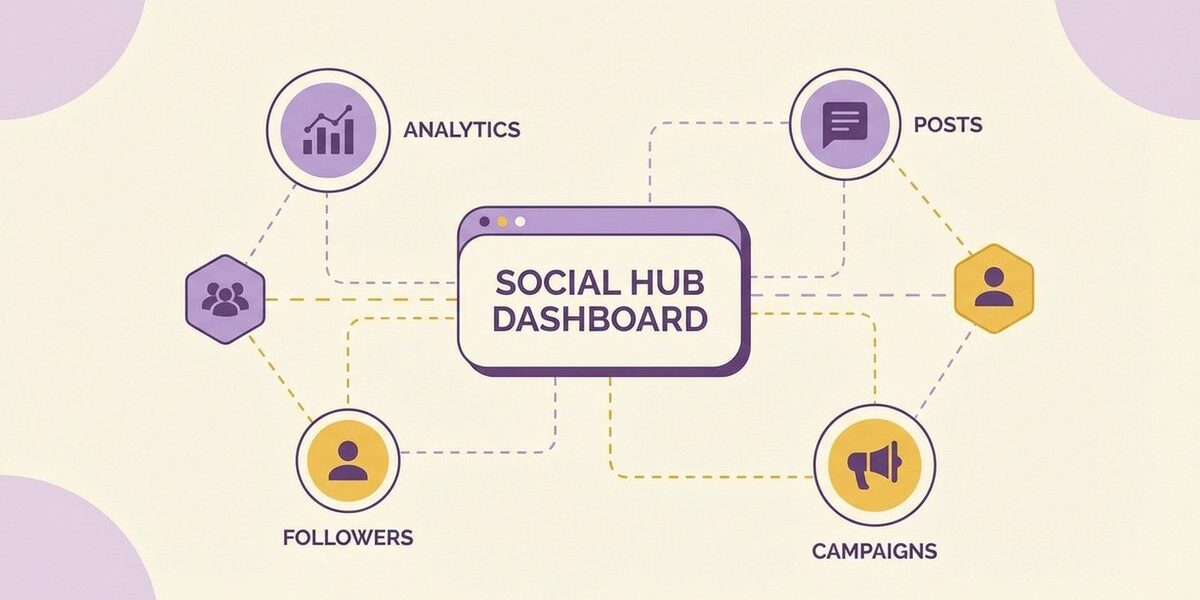
When EE launched as the UK’s first 4G network, they didn’t just need a social media presence — they needed a real-time nerve centre that could handle the volume and velocity of being Britain’s biggest mobile brand. This is the story of how that social hub came together.
The Brief
EE’s social team was drowning. Thousands of daily mentions across Twitter, Facebook, and Instagram. Customer service queries mixed with campaign responses mixed with random brand mentions. The existing tools weren’t cutting it, and the team was spending more time triaging than actually engaging.
The brief was deceptively simple: build a social hub that lets EE respond to what matters, when it matters, in a way that feels genuinely human.
The Approach
Rather than starting with technology, the project started with observation. Two weeks embedded with EE’s social team revealed that the real problem wasn’t tools — it was workflow. The team needed to move from reactive firefighting to proactive engagement.
Real-Time Dashboard
The hub featured a custom-built dashboard that categorised incoming social mentions by sentiment, urgency, and topic. Machine learning helped with initial sorting, but human judgment made the final calls. The dashboard was designed for a wall-mounted display in EE’s social command centre — visual enough to read at a glance, detailed enough to act on.
Response Templates With Personality
Speed mattered, but so did authenticity. The team developed a library of response frameworks — not scripts, but starting points that maintained EE’s voice while allowing genuine conversation. Each template was designed to be adapted, not copied.
The Results
Within three months of launch, average response time dropped from 4 hours to 23 minutes. More importantly, the quality of engagement improved — sentiment analysis showed a measurable shift in how people talked about the EE brand on social.
- Response time reduced by 90%
- Positive sentiment increased 34%
- Team capacity doubled without additional headcount
What We Learned
The biggest lesson was that social media management tools fail when they try to replace human judgment. The best technology augments the team’s ability to spot opportunities and respond meaningfully. EE’s hub worked because it was designed around how real people actually work, not how software engineers think they should.
More From EE
This social hub was part of EE’s wider digital strategy. See how the EE brand launch set the foundation, and how The Wembley Cup brought EE to YouTube. We also covered the Bacon Don’t Buffer campaign with Kevin Bacon.